A pair of oversized green footprints may look like a simple military graphic, but within the United States Air Force rescue community, the symbol carries decades of history. Known as the Jolly Green Feet, the footprints represent combat search and rescue, Air Force Pararescue, and the determination to recover people trapped behind enemy lines.
The symbol originated during the Vietnam War and is closely connected to the Air Force's famous HH-3E Jolly Green Giant rescue helicopter. Over time, the footprints also became part of Pararescue tattoo traditions and a broader emblem for the men and women who support the personnel-recovery mission.
The Jolly Green Giant Rescue Helicopter
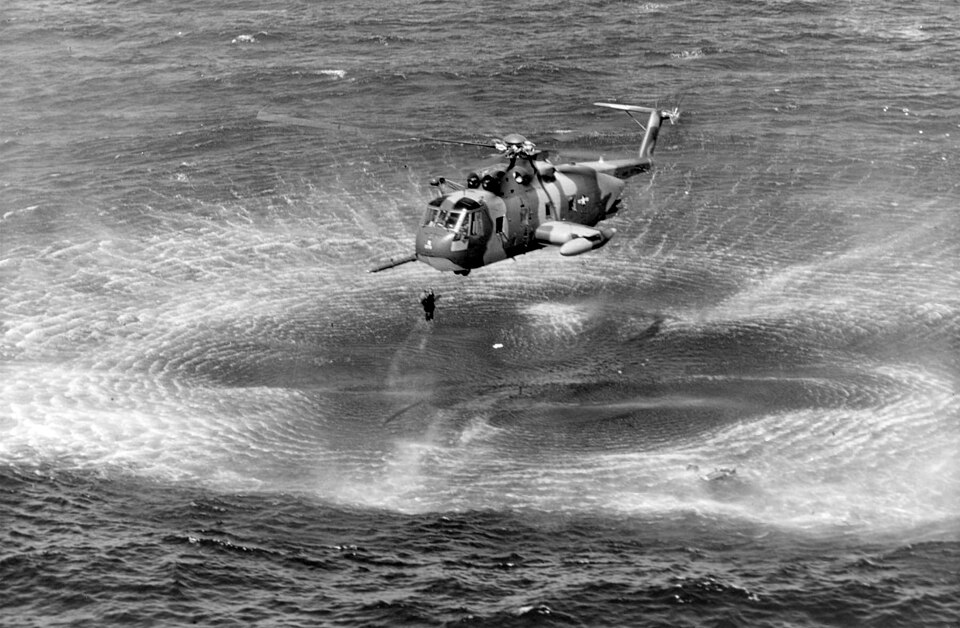
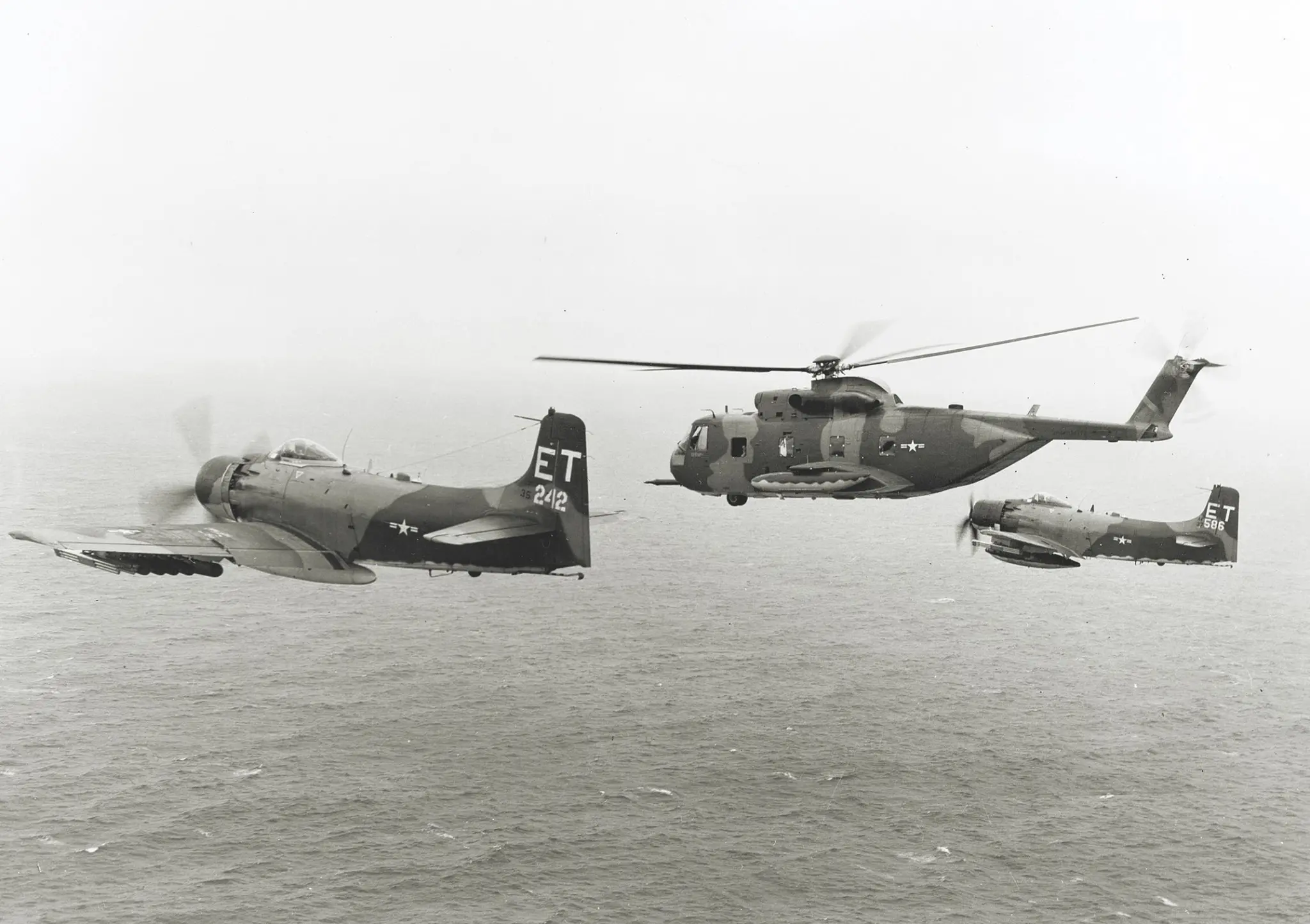
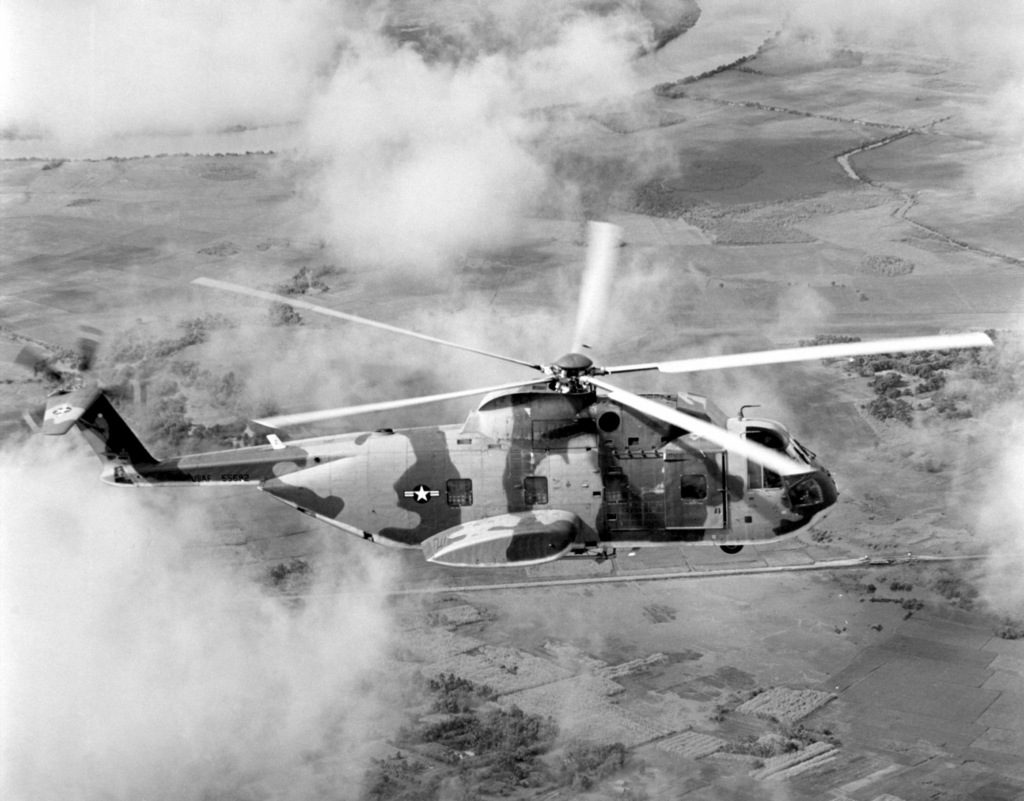
During the war in Southeast Asia, the U.S. Air Force needed helicopters capable of traveling deep into hostile territory to retrieve downed aircrew members. The service developed the Sikorsky HH-3E specifically for long-range combat search-and-rescue missions.
The helicopter was large, powerful and painted in green camouflage. Airmen nicknamed it the Jolly Green Giant, borrowing the name of the well-known advertising character. Later, the much larger HH-53 rescue helicopter became known as the Super Jolly Green Giant. Both aircraft became closely associated with the dangerous work of recovering isolated personnel under fire.
A combat rescue force included far more than the helicopter itself. Pilots, flight engineers, gunners, Pararescuemen, escort aircraft, refueling crews, maintainers and command-and-control personnel all contributed to bringing a stranded airman home. The green feet eventually came to represent this larger rescue community as well as the aircraft that inspired them.
Why Are the Footprints Green?
The traditional explanation begins with the marks left by the HH-3E when it landed in the wet fields and rice paddies of Southeast Asia. Its landing gear and the disturbed ground reportedly created large impressions that Airmen compared to the footprints of a giant.
Because the helicopter was already called the Jolly Green Giant, the comparison naturally produced the image of enormous green feet. Air Force and Defense Department histories consistently identify those landing impressions as the inspiration for the symbol.
Retired Chief Master Sgt. Wayne Fisk, one of the best-known Pararescuemen of the Vietnam era, is widely credited with helping turn the green footprints into a recognizable rescue emblem. Air Force accounts describe Fisk as wanting a symbol that people throughout the rescue community could immediately recognize and remember.
Fisk served as a Pararescueman for 17 years during a 27-year Air Force career. His combat service included the 1970 Son Tay prisoner-of-war rescue attempt, during which he helped recover a pilot from another mission while returning from North Vietnam. His actions during the operation earned him a Silver Star.
The Green Feet Tattoo Tradition
The green feet did not remain only an aircraft or squadron marking. They also became part of Pararescue culture.
Fisk is credited with beginning the best-known version of the tattoo tradition. According to his account, he wanted a tattoo that represented courage, service and his connection to the Jolly Green rescue mission. He chose a pair of green footprints because they were already recognized as the emblem of the Jolly Green Giants.
He also chose a deliberately memorable location: his buttocks. The placement produced an unmistakable piece of Pararescue humor. A PJ's mission was to rescue someone in desperate circumstances—or, in less formal language, to "save their ass."
The idea caught on within the Pararescue community, and green-feet tattoos became an unofficial tradition among some PJs. Temporary footprint stamps and other variations have also been associated with rescue personnel and people recovered by them. These customs have never been a formal qualification badge or an official Air Force requirement. They are expressions of unit culture, shared experience and rescue-community humor.
Because military traditions often vary between squadrons and generations, not every PJ follows the same tattoo custom. The strongest documented historical connection is between Fisk, the Jolly Green Giant emblem and the adoption of green footprints as a personal symbol of Pararescue service.
More Than a PJ Symbol
The green feet are strongly associated with Pararescuemen, but their meaning is broader than a single specialty.
Combat rescue is a coordinated mission. Helicopter crews fly into contested areas. PJs provide emergency medicine, extraction and survival expertise. Maintainers keep the aircraft ready. Support personnel, command-and-control teams and escort crews make the recovery possible.
For that reason, the footprints are frequently displayed by rescue squadrons and others connected to Air Force personnel recovery. They appear on patches, aircraft artwork, stickers, buildings, memorials and personal tattoos. They can represent a PJ, an aircrew, a rescue unit or the combat search-and-rescue mission as a whole.
The symbol remains relevant even though the original HH-3E has long since left operational service. In 2020, the Air Force officially named its new HH-60W combat rescue helicopter the Jolly Green II. The aircraft's logo incorporates the green footprints, directly connecting the new helicopter to the HH-3E and HH-53 crews of the Vietnam era.
What the Green Feet Mean Today
Today, the Jolly Green Feet communicate a simple message: rescue is coming.
They represent the willingness to enter dangerous territory for someone who cannot escape without help. They honor the crews who recovered downed airmen in Southeast Asia and the rescue professionals who have continued that mission in later conflicts, humanitarian emergencies and civilian rescue operations.
For Pararescuemen, the footprints are also closely connected to the Pararescue motto:
"That Others May Live."
The green feet are therefore more than a reference to an old helicopter. They represent a promise carried from one generation of rescuers to the next: when an American or allied service member is isolated, injured or trapped, the rescue community will make every reasonable effort to bring that person home.